
empowering neurodivergent and sensitive minds

EMPOWER
A blended therapy and coaching approach that builds awareness, compassion, and motivation — empowering ADHDers and Highly Sensitive People to thrive.
my approach
A blended coaching approach combining evidence-based therapies and executive function strategies to empower ADHDers and Highly Sensitive People.
-
Sensitivity Coaching blends evidence-based psychological therapies such as Compassion Focussed Therapy, with Executive Functions Coaching techniques designed to improve areas of brain functioning (the executive functions) that can be challenged in ADHDers. Highly sensitive people (HSPs) can also benefit from these techniques as they are helpful for the empathic distress and sensory overwhelm which HSPs often experience.
The difference
Through deeper awareness and understanding, Sensitivity Coaching helps motivation arise naturally, supporting lasting wellbeing and success.
-
Rather than simply teaching strategies in a structured program, sensitivity coaching focuses on guiding the development of understanding and awareness, which naturally unlocks intrinsic motivation. Intrinsic motivation enables us to naturally make changes, supported by specific coaching and therapy techniques which grow our wisdom, strength, and commitment to our wellbeing and success.
The benefits
Increased ADHD understanding, self-awareness and self-compassion softens self criticism, strengthens focus and motivation, and enhances cognitive and behavioural functioning and emotional and physical wellbeing.
-
Increased understanding and awareness of the mechanics of your mind, emotions and physical sensations
Greater understanding of and commitment to compassion for yourself
leads naturally to:
shame and blame being resolved,
focus and motivation being sharpened,
improved ability to set realistic goals and achieve them,
improved regulation of nervous system and emotional and physical well-being.
different styles i use

Coaching Style
Coaching provides forward-focused, practical support to improve everyday functioning and enable success, grounded in ADHD-informed strategies and specialist neurodivergent understanding.

Therapy Style
Evidence-based psychological therapies such as CBT and Compassion Focused Therapy explore how difficulties have developed, identify patterns in thoughts, emotions, and behaviours, and support meaningful change through targeted therapeutic methods.

Blended style
Blended sessions combine coaching and therapeutic approaches in a flexible, on-demand format, offered in ad-hoc single sessions to address the need of the moment. Most suitable as follow up work after completing a block of sessions.
Pinball
“After 59 years of living and being challenged by adhd, having found Leanne’s holistic approach to executive functions and behaviour has been a life changer, even when I was starting to think there was no hope in me!”
Cath
“She is incredibly skilled in understanding …how my brain works.. And has… helped me unblock areas where I get stuck. I highly recommend her broad set of skills, as she has a unique ability to pick exactly what's right for each person.”
Pat
“I have been having coaching sessions with Lea over the past year and have felt a real shift happen.. Lea brings kindness and compassion alongside a practical approach. The whole experience has been a real boost!”
Professional Background
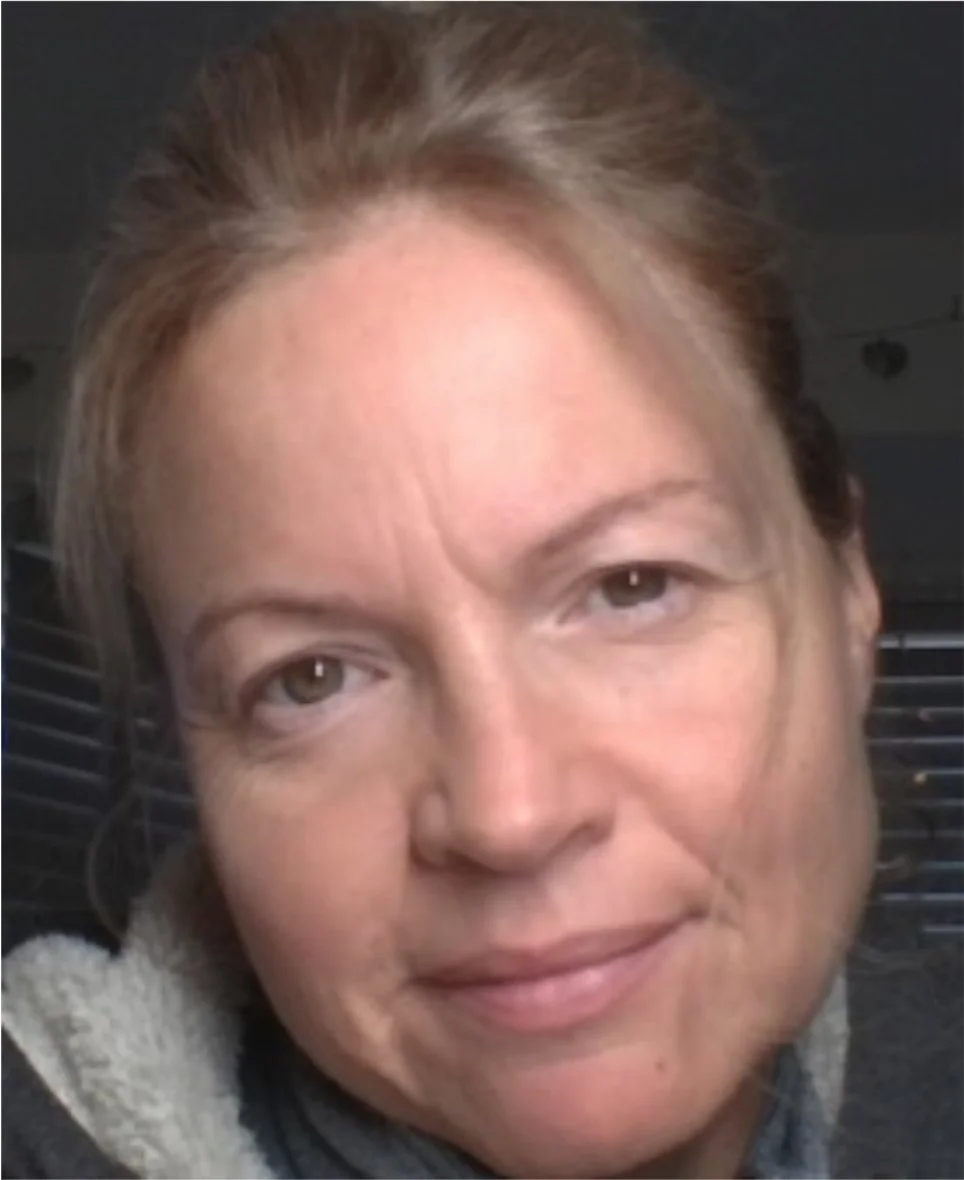
Lea has NHS experience within Cognitive Behavioural Therapy and clinical psychology contexts and is trained in Executive Functions Coaching and Compassion Focused Therapy.
Learn More
about lea
A human approach
Lea values genuine connection, offering more than a professional role – a deeply human therapeutic relationship.
Who I help
ADHD
Do you identify with traits of ADHD or other executive functions challenges and want to increase your wellbeing and functioning at work or home?
-
ADHD involves patterns of thoughts, feelings and behaviours such as:
hyperactivity
distractibility
difficulty with focus,
impulsivity
strong emotions
caused by the brain area that links and controls many different processes (the Pre-Frontal Cortex) being disabled.
The Pre-Frontal Cortex (PFC) is responsible for the Executive Functions, such as:
task initiation
sustained attention
impulse control
emotional regulation
planning and prioritisation
organisation
working memory
PFC disablement causes difficulty performing supposedly simple tasks. But they are not simple if our executive functions are not working properly!
To make matters more complicated, the amount of disablement depends on:
the task
the environment
our mental, emotional and physical state
which means that sometimes we are fine and others times we really struggle.
This is confusing, and leaves us feeling that it must be our fault that we sometimes cant do things. We think we are lazy, selfish or bad, or wrong and just need to try harder.
To make matters worse
shame
self criticism
anger
anxiety
fear
disgust
cause disablement of the PFC and so the more we judge ourselves, the worse our Executive Functions become.
The solution can involve:
practical strategies to support weak executive functioning,
compassionate interventions to reduce the disabling negative emotions
depression & anxiety
Are you suffering stuckness, depression, anxiety, overwhelm, overthinking, perfectionism, self-criticism, low self esteem, difficulty accepting feedback or sleep problems due to ADHD or HSP factors?
-
ADHD and /or being sensitive, means that our nervous systems are under more pressure due to processing more deeply and becoming saturated and overwhelmed more quickly.
Frequently we are not aware that we cant do things the same way other people do, because our nervous systems are wired differently.
We come to believe that there is something wrong with us because we cant tolerate “normal” situations. or perform “simple” tasks.
At the same time, we are dimly aware that we have qualities that others may not have such as the ability to read a room, assessing accurately the things others are trying to hide, the ability to know how to say and do what is helpful and valuable to others, and achieve all sorts of extraordinary feats when passionately motivated by our values.
ADHD and HSP informed coaching and therapy can help us out of depression and anxiety by developing our:
understanding of where are strengths and challenges lie,
ability to accept and meet our needs,
courage and skills to face our fears and let go of our anger and (self) criticism
willingness to celebrate our successes (success should be measured in effort not outcome since ADHDers have to work extra hard/ HSPs suffer extra exhaustion in order to achieve ordinary things)
Long-Term Health
Are you suffering from a long-term health condition which may be stress-related or have a psychological component?
-
Have you been told you are / believe yourself to be:
oversensitive
dramatic
too slow/hesitant
and need to:
just get on with it
toughen up
push through
I can help you work with yourself instead of against yourself by:
understanding your sensitive nervous system and its strengths /advantages
taking care of your nervous system and staying within your window of tolerance
creating an inner and outer environment which you can thrive in
HSPs tend to find criticism and feedback challenging (even positive feedback!). Compassion Focussed Therapy is excellent for reducing:
shame
guilt
self-criticism
difficulty accepting (even positive) feedback
CFT builds:
self-awareness to determine what is needed
strength to make changes at the right moment
restorative calm and connection
by activating the calming aspect of the nervous system/brain, with compassionate stimuli.
Highly Sensitive Person (HSP) Facts:
The concept of Highly Sensitive Person was coined by Elaine Aron, and is becoming more widely accepted.
15-20% of the population processes emotional and / or sensory stimuli more deeply and become more quickly over stimulated and fatigued.
If you answer yes to many of these questions you may be among the 20% of the population that is highly sensitive
Are you easily overwhelmed by such things as bright lights, strong smells, coarse fabrics, or sirens nearby?
Do you like deep conversations?
Do you get rattled when you have a lot to do in a short amount of time?
Do other people tell you that you are good at understanding what they are feeling or thinking?
Do you tend to reflect on things deeply?
Do you make a point of avoiding violent movies and TV shows?
Do you notice or enjoy delicate or fine scents, tastes, sounds, or works of art?
Do you have a rich and complex inner life?
When you were a child, did your parents or teachers see you as sensitive or shy?
Take the test at https://hsperson.com
Highly Sensitive People
Do you want to better understand what it means to be an HSP and how to take care of your nervous system in order to thrive?
-
Each thought is represented in the body by the firing of neurons, the release of bio-chemicals, and the movement of muscles.
Frequent anxious, angry, sad or self critical thoughts put pressure on body systems and result in wear and tear.
Compassionate thoughts which promote caring connection, and a sense of soothing and safeness, produce restorative effects in the body.
With awareness and courage we can re-balance the body by changing our attitude to one of respect for self.
We may need to learn how to read or body’s signals that rest and repair are needed.
It may be hard for us to accept that we cant do all the things that we believe we must do in order to be acceptable to ourselves or others.
Practical coaching around pacing ourselves in order to avoid vicious cycles of over and under activity which can promote burn out and depression can be transformative.
Emotional support to remake our lives in a way that compassionately, courageously, and wisely honours our strengths and our needs can be healing.
Book an Appointment.
Booking your appointment is simple. In a few clicks you can select a time that suits you, and have a videocall added into your own calendar.